
Convention Wiesbaden Campus 9
Sustainable mobility at events
9th event - October 29, 2024
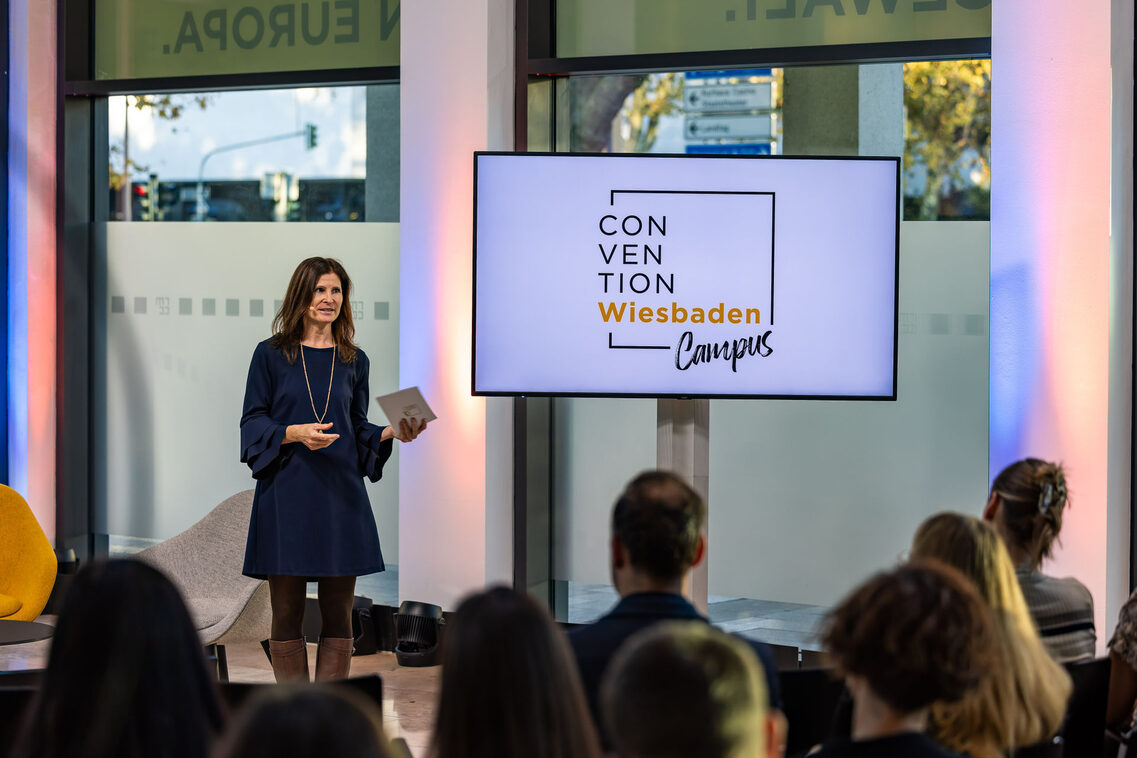
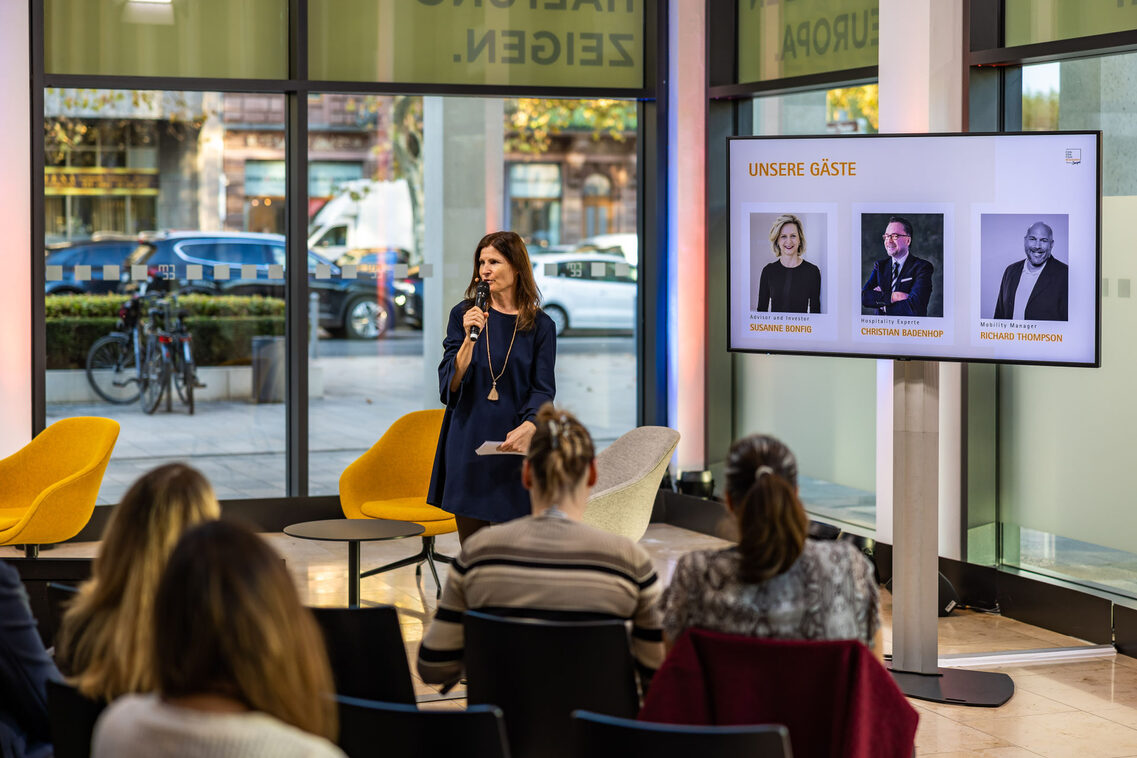
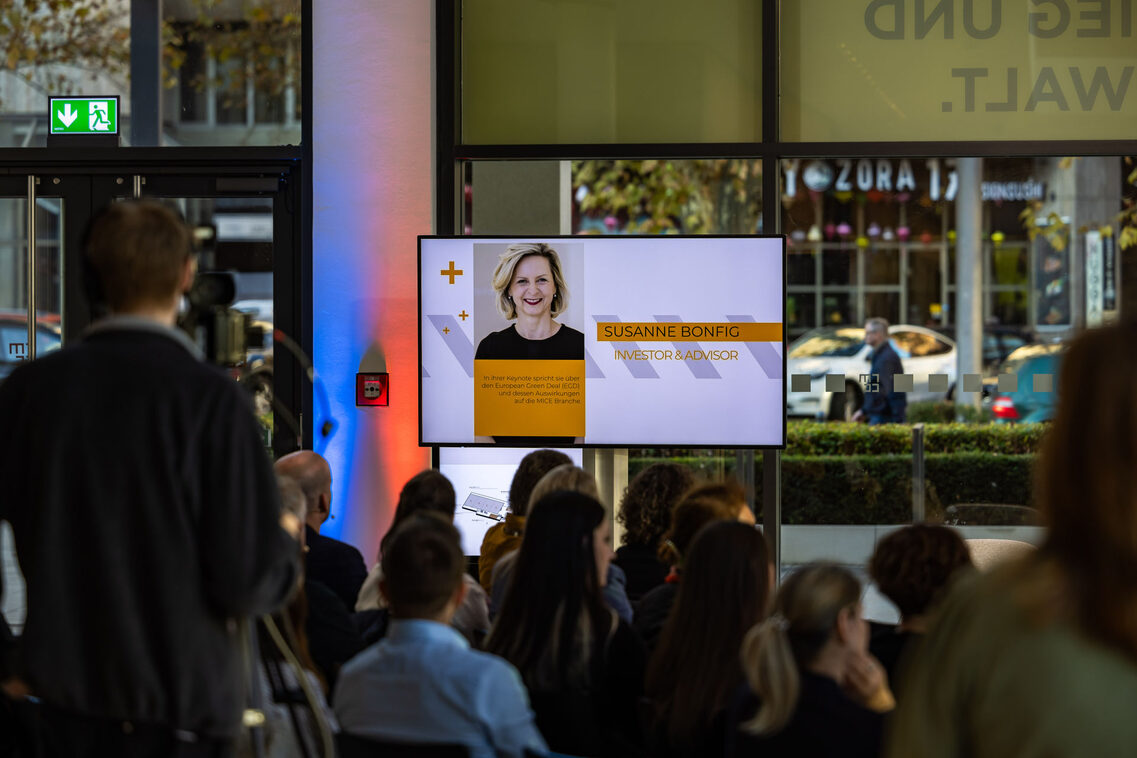
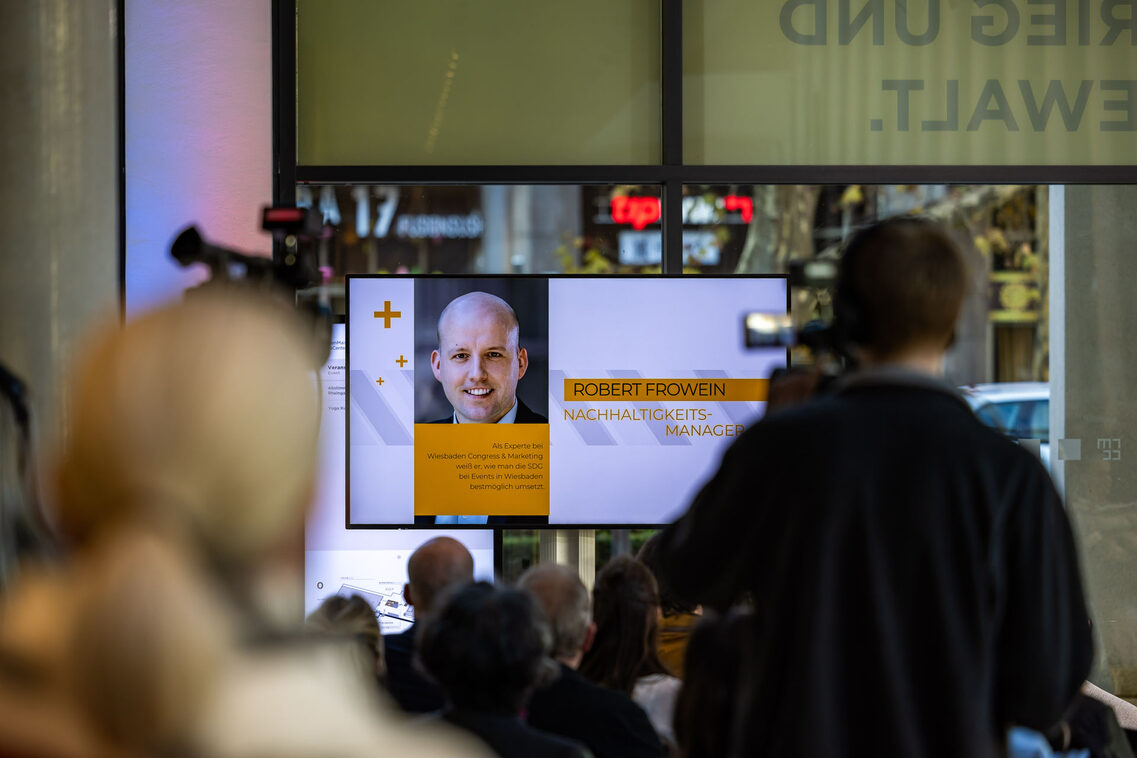
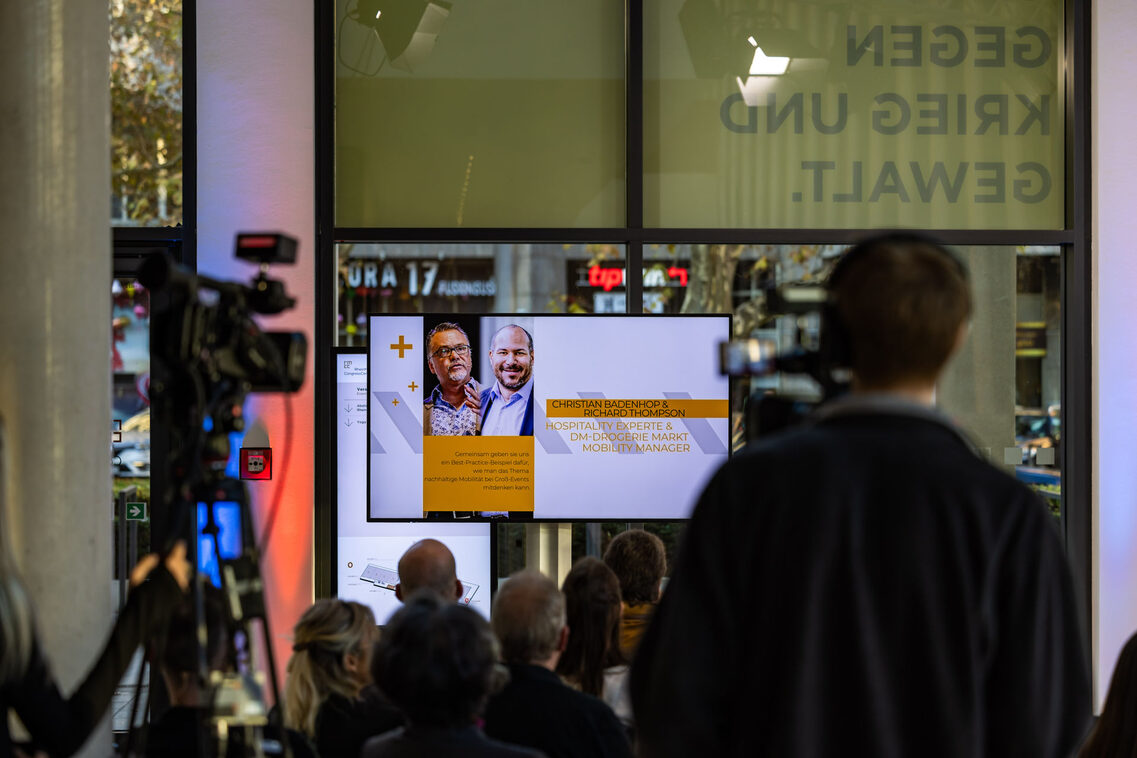
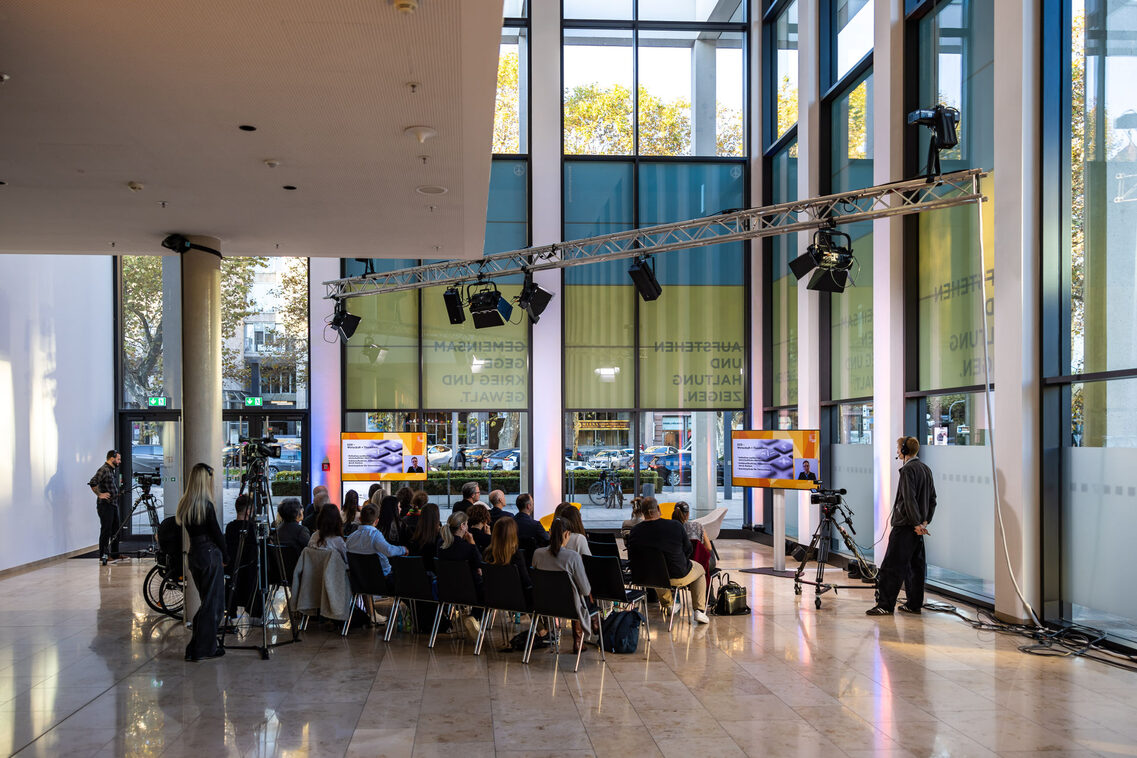
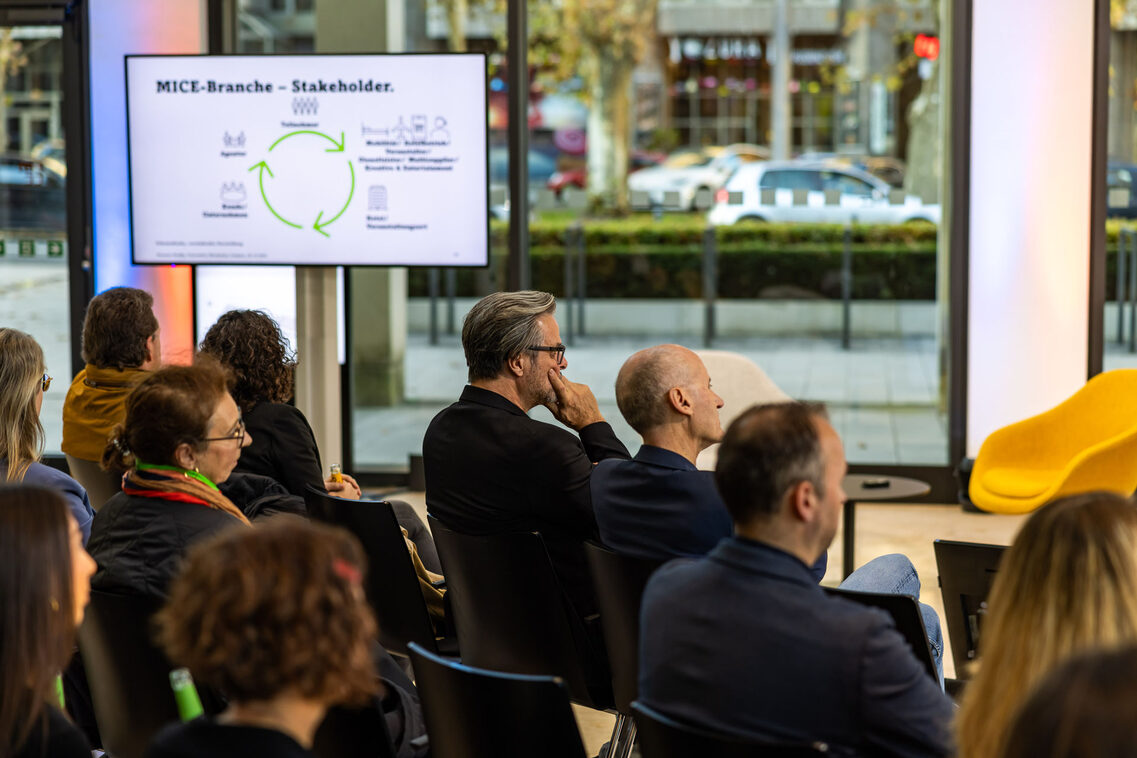
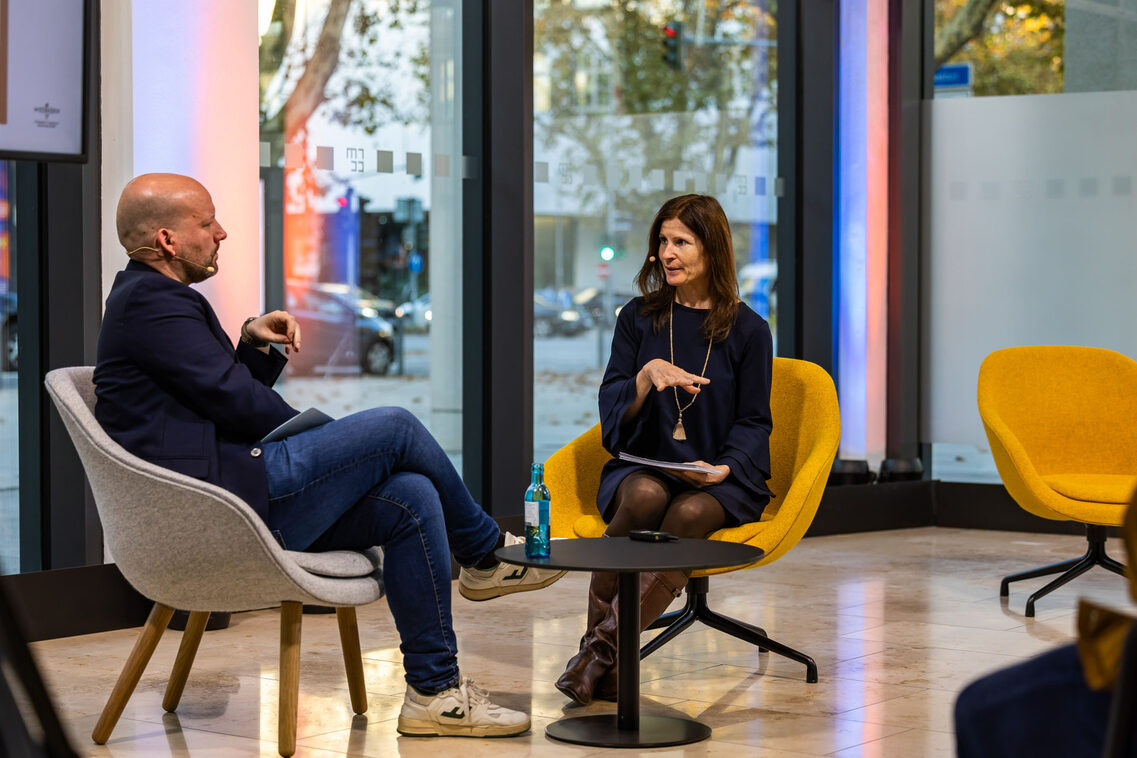
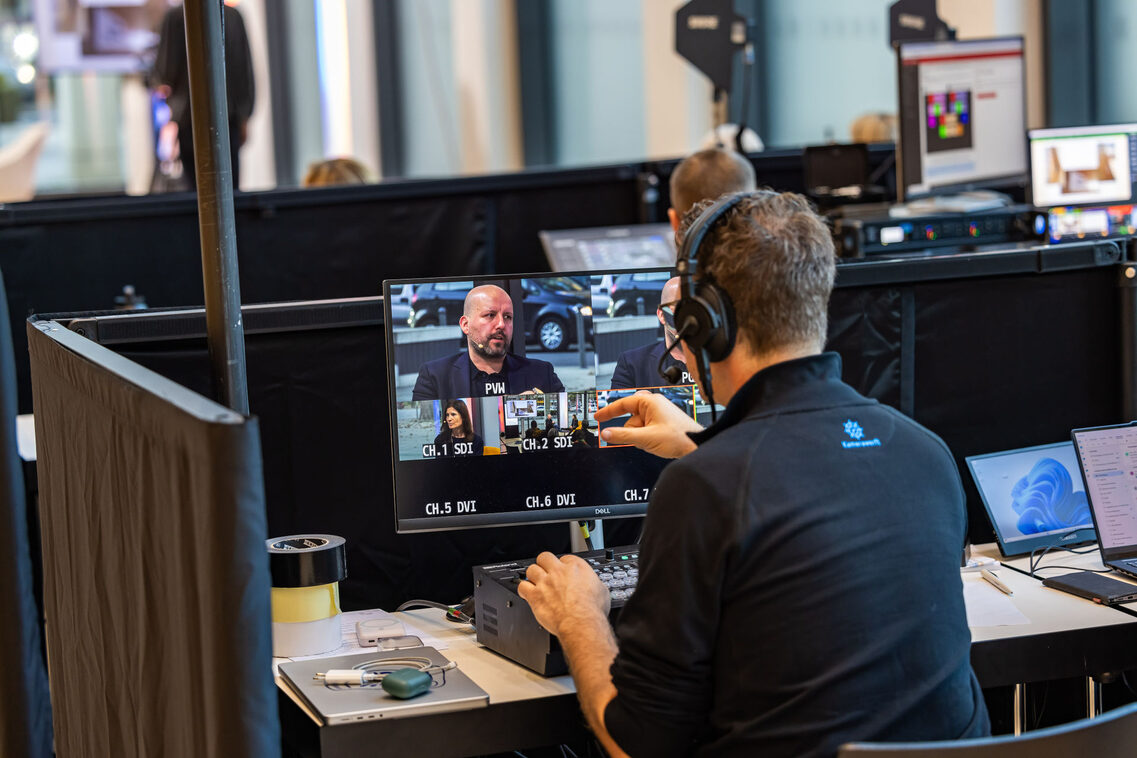
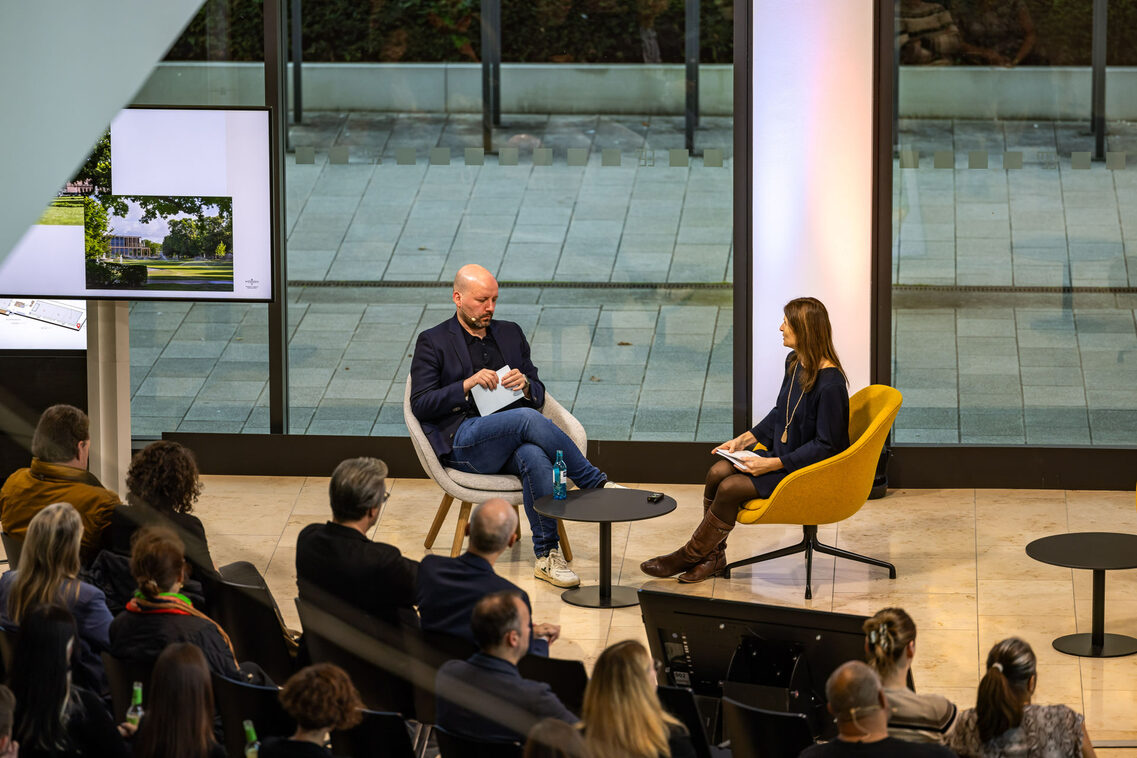
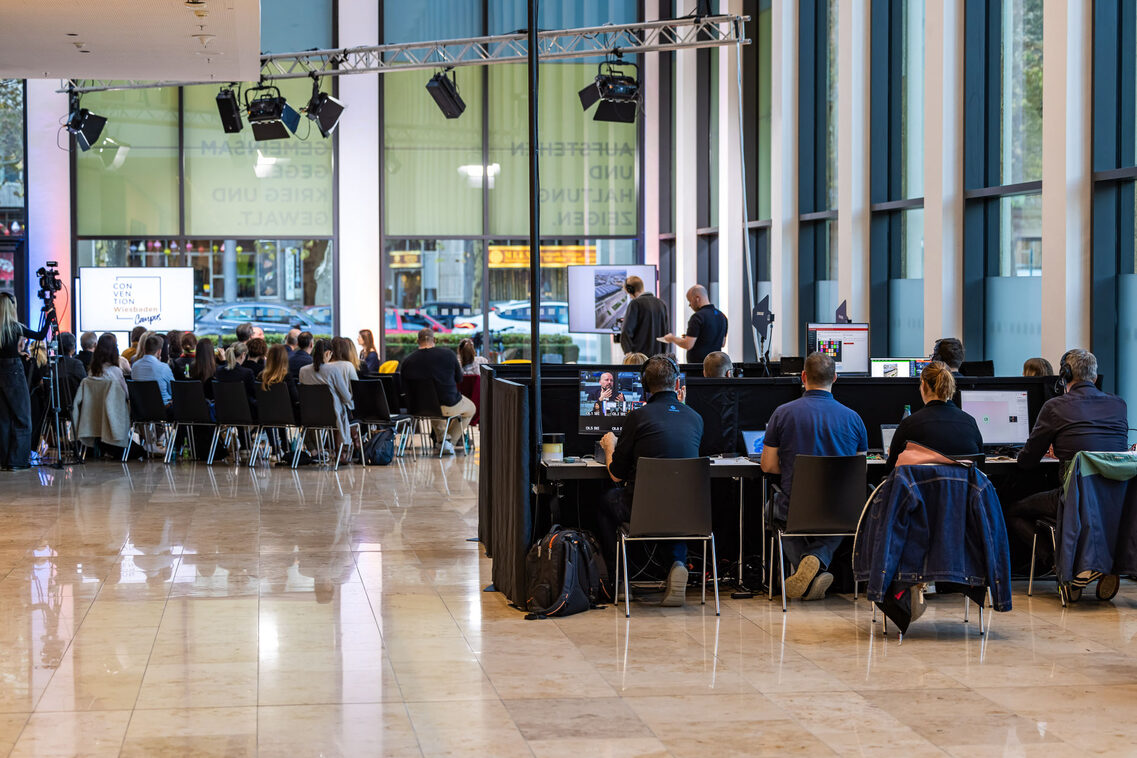
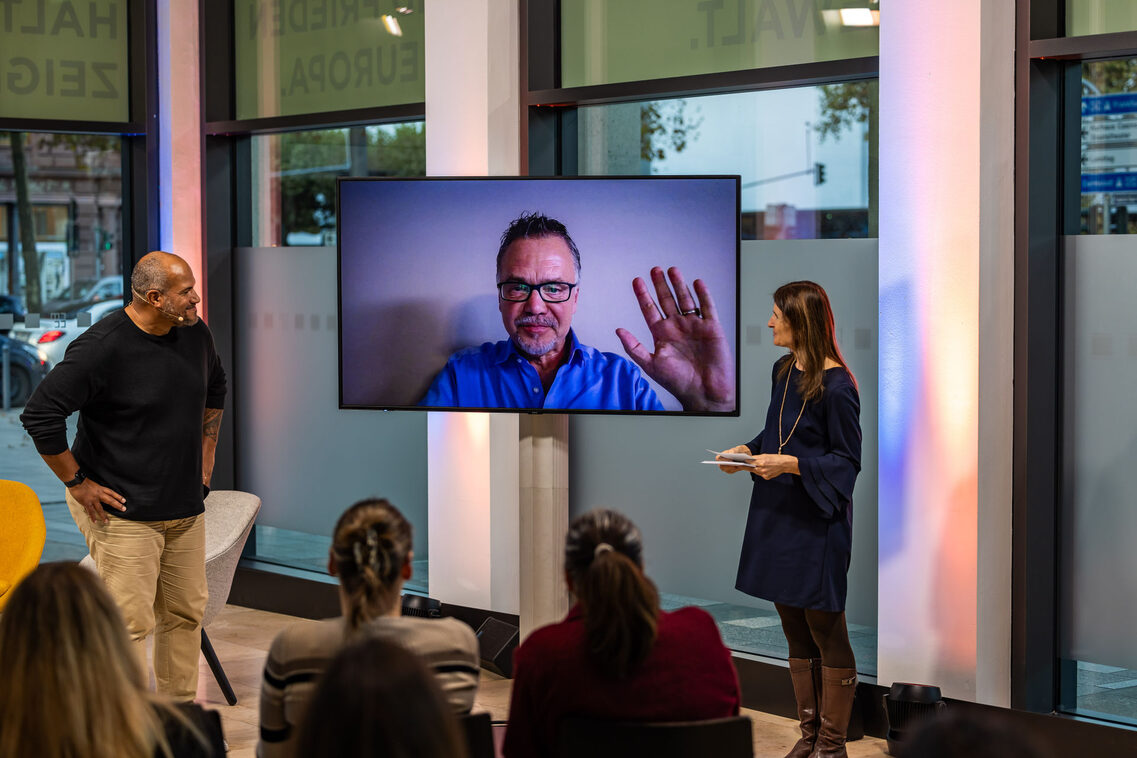
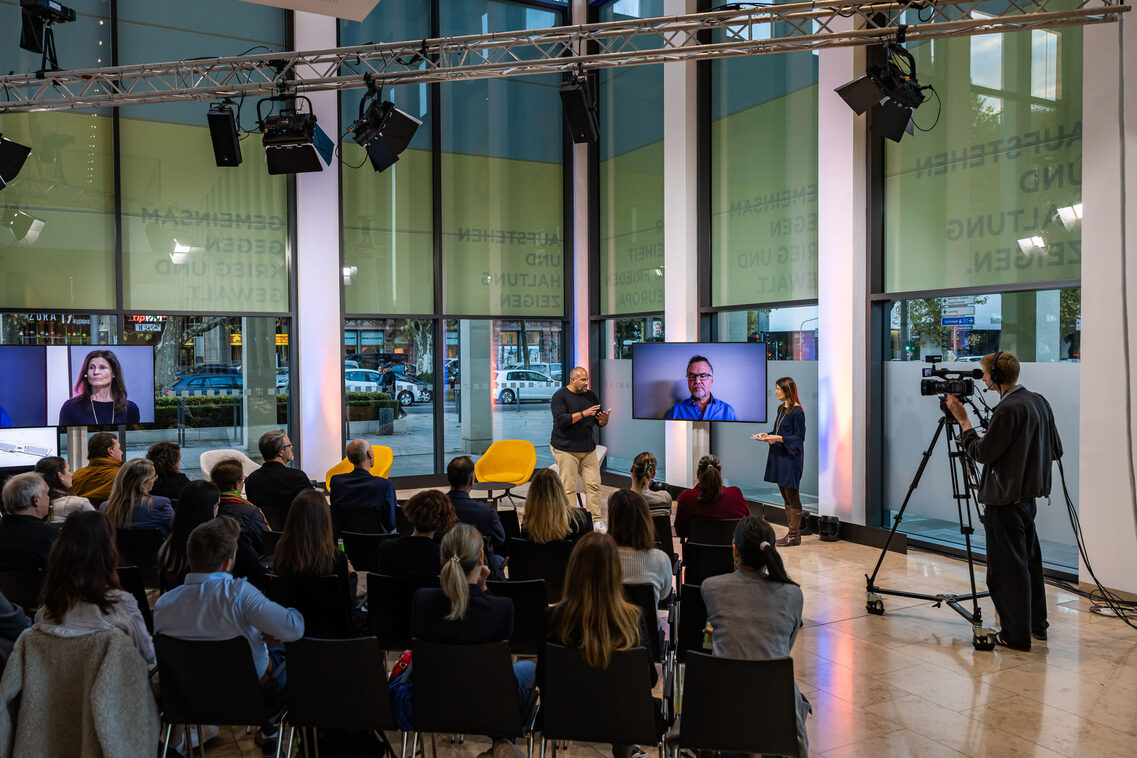
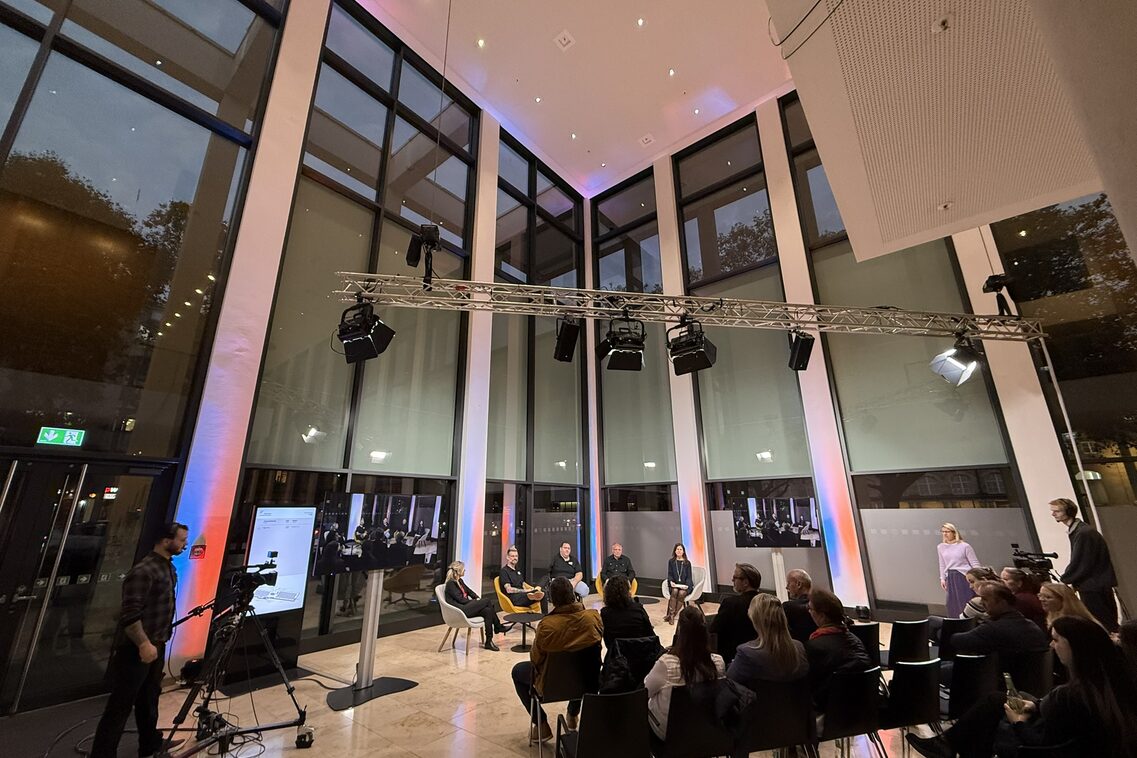
At Convention Campus Part 9, we discussed this topic with experts from agencies, companies and event organizers and learned about practical solutions for CO₂ reduction and mobility in the event industry. Among other things, we discussed how SDGs, the Green Deal and CO₂ reduction make events more environmentally friendly and answered the following questions:
- How does the Green Deal affect the events industry?
- What specific measures will make your events more sustainable?
- How can destinations and venues promote sustainable mobility?
- How do you motivate event participants to use environmentally friendly means of transportation?
- What does mobility mean for people with physical disabilities?
- What does a location need to do to be truly barrier-free?
9th event - Convention Wiesbaden Campus - Recording
In order to view the external content, you must enable it by clicking on the "Activate content" button. In doing so, the provider sets cookies and collects data on your usage behavior. You can revoke your consent at any time in the privacy settings (opens in a new tab) at https://www.wiesbaden.de/datenschutz.
Learnings from the keynotes
- Integration of the SDGs and the Green Deal: Events should take the Sustainable Development Goals (SDGs) and the European Green Deal into account in order to become more environmentally friendly. Above all, incorporating these goals into the event planning process from the outset is crucial. Internally, this knowledge must also be integrated into continuing education programs. A shift in mindset is necessary and can be achieved through transparency and leadership by example from executives.
- CO₂ Reduction: Practical solutions were presented on how sustainable mobility concepts can reduce CO₂ emissions at events. Factors such as the location of the venue and complementary urban mobility options also play a role here. (More on this in the recording)
- Incentives and support for eco-friendly travel: Event venues and destinations should create incentives for participants to use eco-friendly modes of transportation, for example through partnerships with public transit operators, the provision of electric vehicle charging stations, or shared shuttle services. Offering free public transportation can increase the event’s appeal. Walking routes to the event can be made more engaging through interactive stations, thereby enhancing the overall experience. Furthermore, booking an eco-friendly trip should be as simple as possible to encourage the selection of the most environmentally friendly option.
- Consider rush hours and traffic flows: In the interest of sustainable mobility, organizers should schedule their events so that attendees can travel by public transit and, furthermore, should preferentially choose a start time that falls outside of rush hour. Ideally, events should take place at family-friendly times to also accommodate social mobility.
- Accessibility and Inclusion: Event venues should be designed to be “barrier-free (opens in a new tab).” Sustainable mobility concepts must also take into account the needs of people with physical limitations, people with disabilities, older adults, parents with strollers, or business travelers with luggage to ensure comprehensive access. Live transcription tools (opens in a new tab)—such as those offered by our partner Schoko Pro—can help with this and, in the future, may even provide real-time sign language translations using AI. Inclusive events mean respecting differences and individual characteristics and treating people without prejudice. It’s an opportunity to promote diversity.
- The Importance of Networks: Exchanging ideas with industry experts is essential for identifying current trends and best practices and integrating them into your own event planning. The event industry plays a key role in bringing people together and, for example, normalizing inclusion.
These insights underscore the importance of sustainable mobility solutions for the future of the events industry, as well as the need to embed sustainability and mobility as central elements in event planning in order to create future-proof and environmentally friendly events.
CONCLUSION: To design sustainable and inclusive events, it is also crucial to give equal consideration to mobility, knowledge, and accessibility. Clear communication, family-friendly planning, and the use of innovative technologies strengthen a sustainable and inclusive event landscape.
"My recommendation: just do it, take the plunge and get started", Conny Lobert (Managing Partner, ctc events)
Survey results


The responses show that most event organizers have so far been thinking about and taking action in the area of "catering" in particular, but that many other aspects have not yet been addressed.
There is therefore still a lot of room for improvement in the area of "sustainable mobility".
Our experts

Susanne BonfigAdvisor & Investor
Telephone

Robert FroweinSustainability manager
Telephone

Wulf IssingerHead of Innovation | Authorized Signatory, schoko pro GmbH
Telephone

Conny LobertManaging Partner, ctc events - Agency for Brand Communication
Telephone
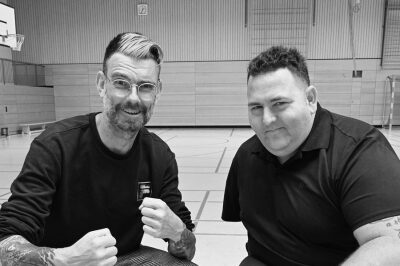
Martin Schenk & Mirko KorderManaging Partner, Potenzial Pioniere GmbH
Presentations of the speakers to read
More about real-time transcription (c)Schoko Pro
Insights into the past campus training series
- Convention Campus 8 - Business Festivals
- Convention Campus 7 - Events in Wiesbaden - Insider tips, experiences, feel-good places
- Convention Campus 6 - Sustainability at events - basic knowledge, best practice, outlook
- Convention Campus 5 - Hybrid formats - best practice and future models
- Convention Campus 4 - Staging, interaction and optimal directing processes
- Convention Campus 3 - Interactive digital conferences
- Convention Campus 2 - Digital congresses and virtual trade fairs
- Convention Campus 1 - Hybrid formats


